Concussion clinic

Expert assessment, rehabilitation and return-to-play care for adults, children and athletes

At the OrthTeam Centre, we provide specialist concussion assessment and rehabilitation for professional athletes, amateur sportspeople, children and adults.

Our multidisciplinary team combines expert clinical care with advanced concussion technology to assess recovery across multiple domains of brain function, helping patients return safely to sport, education, work and everyday life.

What is a concussion?

A concussion is a mild traumatic brain injury caused by a blow to the head or body that results in rapid movement of the brain within the skull.

This can temporarily affect how the brain functions and may lead to symptoms involving:

  • Headache
  • Dizziness
  • Balance problems
  • Visual disturbance
  • Memory difficulties
  • Difficulty concentrating
  • Fatigue
  • Emotional changes
  • Exercise intolerance

Most people recover well following concussion, but some individuals experience symptoms that persist beyond the expected recovery period and require specialist assessment and rehabilitation.

We provide care for:

  • Professional athletes
  • Amateur sports participants
  • Children aged 8 years and above
  • Persistent post-concussion symptoms
  • School, university and workplace concussion management
  • Second opinions and return-to-play decisions

Why choose the OrthTeam Centre?

Most people recognise a concussion immediately after injury.

The challenge comes days or weeks later, when symptoms are changing, whether they're improving or persisting, and important decisions need to be made.

At OrthTeam Centre, we assess far more than symptoms alone.

We use a comprehensive multimodal assessment pathway that evaluates:

  • Symptoms
  • Cognition
  • Eye movement function
  • Vestibular (balance) function
  • Cervical spine function
  • Postural control and balance
  • Exercise tolerance
  • Psychological wellbeing

This approach helps us identify the specific systems affected by concussion and design targeted rehabilitation programmes to support recovery and reduce the risk of prolonged symptoms.

Our advanced concussion assessment

Multimodal concussion testing

Concussion is not a single condition.

Different patients may experience different combinations of symptoms and impairments. Understanding these differences allows rehabilitation to be tailored to the individual.

Our assessment pathway may include:

ScreenIT digital brain health platform

Our central concussion management system that enables:

  • Symptom monitoring
  • SCOAT6 assessment
  • Recovery tracking
  • Return-to-play progression
  • Longitudinal follow-up

NeuroFlex assessment

Objective assessment of:

  • Smooth pursuit eye movements
  • Vestibulo-ocular reflex (VOR)
  • Saccadic eye movements
  • Vestibular function
  • Visual tracking performance


HeadX cervical assessment

Assessment of:

  • Neck range of movement
  • Cervical proprioception
  • Sensorimotor control

VALD force plate analysis

Advanced balance testing measuring:

  • Postural control
  • Centre of pressure sway
  • Balance performance
  • Sensorimotor integration

Buffalo concussion treadmill testing

A well-validated physiological assessment in modern concussion care.

This helps identify exercise intolerance and autonomic nervous system dysfunction that may not be apparent during a routine consultation.

Results are used to prescribe individualised exercise rehabilitation programmes.

Personalised concussion assessment

Not all concussions are the same.

Our team identifies the factors contributing to ongoing symptoms and develops a personalised rehabilitation plan.

Treatment may include:

  • Vestibular rehabilitation: For dizziness, balance problems and motion sensitivity.
  • Oculomotor rehabilitation: For visual symptoms, eye tracking difficulties and reading problems.
  • Cervical rehabilitation: For neck-related headaches, dizziness and sensorimotor dysfunction.
  • Exertional rehabilitation: Graduated exercise programmes guided by Buffalo treadmill testing.
  • Psychological support: Support for anxiety, mood changes, confidence and return-to-sport concerns.
  • Neuropsychological assessment: Where cognitive symptoms require detailed evaluation.
  • Return-to-school, work and sport planning: Individualised programmes designed around the specific demands of each patient.
  • Return-to-play after concussion: Returning to sport too early may increase the risk of symptom recurrence and further injury. Our team follows current international concussion guidelines and uses serial assessments to support safe return-to-play decision making. Where appropriate, athletes may undergo:
    - Repeat symptom assessment
    - Cognitive testing
    - Balance assessment
    - Oculomotor and vestibular reassessment
    - Exercise tolerance testing
    - Multidisciplinary review

Our goal is simple: To assess whether the individual has recovered, not simply that symptoms have improved.

Specialist concussion team

Our concussion service brings together expertise from multiple disciplines including:

This collaborative approach helps ensure patients receive the right assessment and treatment at the right time.

Who we see

We regularly assess and manage:

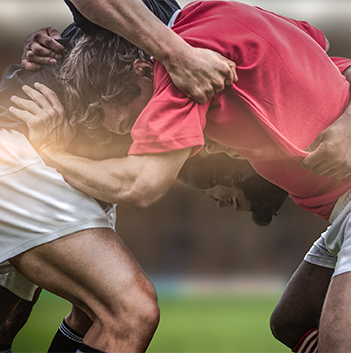
  • Professional, elite and Olympic athletes, including footballers and rugby players
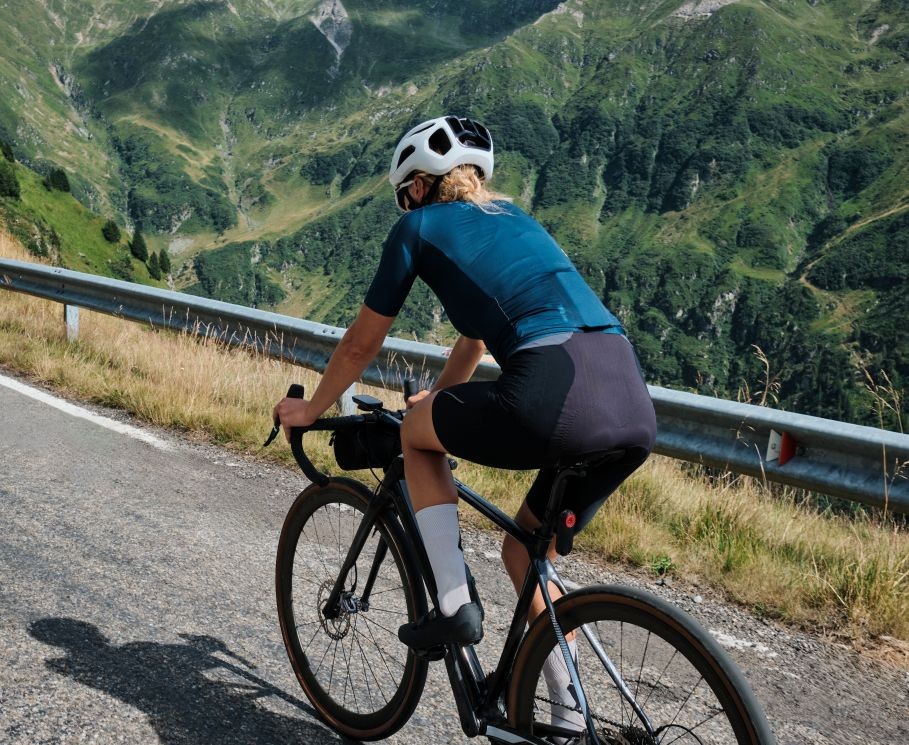
  • Recreational sports participants, including cyclists and runners
  • School-age children (aged 8 years and above) with concussion
  • University students with concussion
  • Adults with concussion
  • Individuals with persistent post-concussion symptoms
  • Individuals seeking a second opinion

Get in touch

Whether you have recently sustained a concussion or are struggling with ongoing symptoms, our specialist team are here to help.

Contact Us

To contact us, please fill in the form below or call 0161 447 6888.
cd66e20b-7cd8-4f54-bca0-8a73cffc42e0
True
consultant

Marketing Information

Spire would like to provide you with marketing information about products and services offered by Spire and by selected third-party partners. If you do not consent for us to process your personal data for marketing activities, we will still be able to contact you about your enquiry.

We may contact you by email, SMS or phone about your enquiry. If we try to contact you by phone (mobile and/or landline) and you are not available, we may leave you a voicemail message. We may also use your details to contact you about patient surveys we use for improving our service or monitoring outcomes, which are not a form of marketing.

We will use your personal information to process your enquiry. For further information, please see our privacy policy.